Artificial Intelligence (AI) in Indian healthcare is rapidly transforming the way diseases are diagnosed, treated, and monitored. From strengthening tuberculosis (TB) control programs to expanding telemedicine access across rural regions, AI-driven technologies are reshaping the public health landscape. As India moves toward its Viksit Bharat 2047 vision, digital health innovation is playing a critical role in ensuring wider healthcare coverage and faster medical intervention.
Over the last few years, AI-based diagnostic tools, surveillance systems, and telemedicine platforms have been integrated into national health programs. As a result, early detection of diseases has improved significantly, and patients are receiving timely treatment without unnecessary hospital visits.
Government Push Under India AI Mission
In March 2024, under the leadership of Prime Minister Narendra Modi, the Union Cabinet approved the IndiaAI Mission with a budget allocation of ₹10,371.92 crore. The mission aims to strengthen India’s AI ecosystem and apply advanced technology in critical sectors, especially healthcare.
The primary objective is to:
- Improve patient diagnosis using AI-based tools
- Enhance healthcare access in rural and remote regions
- Monitor and control community-level disease outbreaks
- Strengthen public health surveillance systems
This strategic move marked a turning point in integrating AI into India’s healthcare framework.
AI’s Role in TB Elimination Efforts
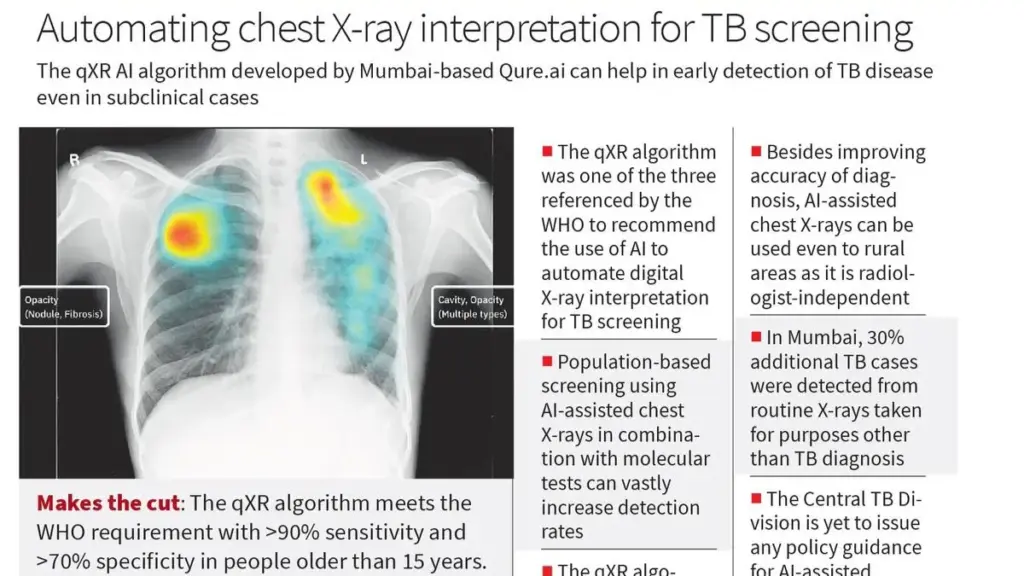
One of the most significant breakthroughs under AI in Indian healthcare has been seen in tuberculosis management. The Ministry of Health incorporated AI-powered tools in national TB programs to detect severe cases early and monitor treatment compliance.
According to government data, the use of AI-based interventions has contributed to a 27% reduction in severe TB cases. These tools analyze medical imaging, identify high-risk patients, and support healthcare workers in making faster clinical decisions.
Early detection is crucial in TB management. With AI-driven diagnostics, cases are identified sooner, which reduces transmission rates and improves recovery outcomes. This advancement strengthens India’s commitment to eliminating TB.
Telemedicine Expansion Through eSanjeevani
Another major milestone is the rapid expansion of telemedicine services through eSanjeevani. Between April 2023 and November 2025, over 282 million telemedicine consultations were conducted via the platform, benefiting nearly 1.2 crore patients nationwide.
Telemedicine has transformed patient access to healthcare by:
- Reducing hospital visits
- Saving travel costs for rural patients
- Enabling remote doctor consultations
- Offering follow-up care without physical appointments
This digital healthcare shift has particularly helped people in underserved regions, where specialist doctors are often unavailable.
AI Integration in Ayushman Bharat Digital Mission
AI in Indian healthcare is also strengthening the Ayushman Bharat Digital Mission. The mission aims to build an integrated digital health infrastructure across the country.
Back in 2018, NITI Aayog highlighted in its National Strategy for AI that technologies such as AI, robotics, and the Internet of Medical Things would become the “new nervous system” of healthcare.
Further advancing this vision, the National Health Authority signed a Memorandum of Understanding with IIT Kanpur in October 2024 to promote AI-based digital health solutions.
These collaborations are aimed at improving data-driven healthcare delivery while maintaining patient privacy.
Ethical Guidelines and Data Security
The use of AI in diagnosis and treatment follows ethical guidelines issued by the Indian Council of Medical Research. These guidelines ensure:
- Patient data privacy
- Secure storage of medical information
- Ethical AI deployment
- Transparent clinical decision-making
Data protection remains a priority, especially when dealing with digital health records and AI-generated insights. By adhering to strict regulatory standards, the healthcare system ensures both innovation and patient trust.
Why AI in Indian Healthcare Matters
The impact of AI in Indian healthcare goes beyond technology. It directly affects millions of citizens by:
- Improving early disease detection
- Reducing the burden on hospitals
- Expanding rural healthcare access
- Supporting doctors with data-driven insights
As India advances toward digital transformation, healthcare innovation will remain central to its development goals.
FAQs
What is the IndiaAI Mission?
The IndiaAI Mission is a government initiative approved in 2024 with a budget of ₹10,371.92 crore to promote AI adoption across sectors, including healthcare.
How is AI helping in TB treatment?
AI-based diagnostic tools help detect severe TB cases early, leading to a reported 27% reduction in serious cases and improved treatment outcomes.
What is eSanjeevani?
eSanjeevani is India’s national telemedicine platform that has enabled over 282 million consultations between April 2023 and November 2025.
Is patient data safe under AI-based healthcare systems?
Yes, AI usage in healthcare follows ethical guidelines issued by ICMR, ensuring patient privacy and data protection.